George Michael's Vocal Range & Singing Style
Exploring the unique tenor voice that defined a generation of pop music. From Wham! to his legendary solo career, George Michael's vocals remain unmatched in their emotional depth and technical brilliance.
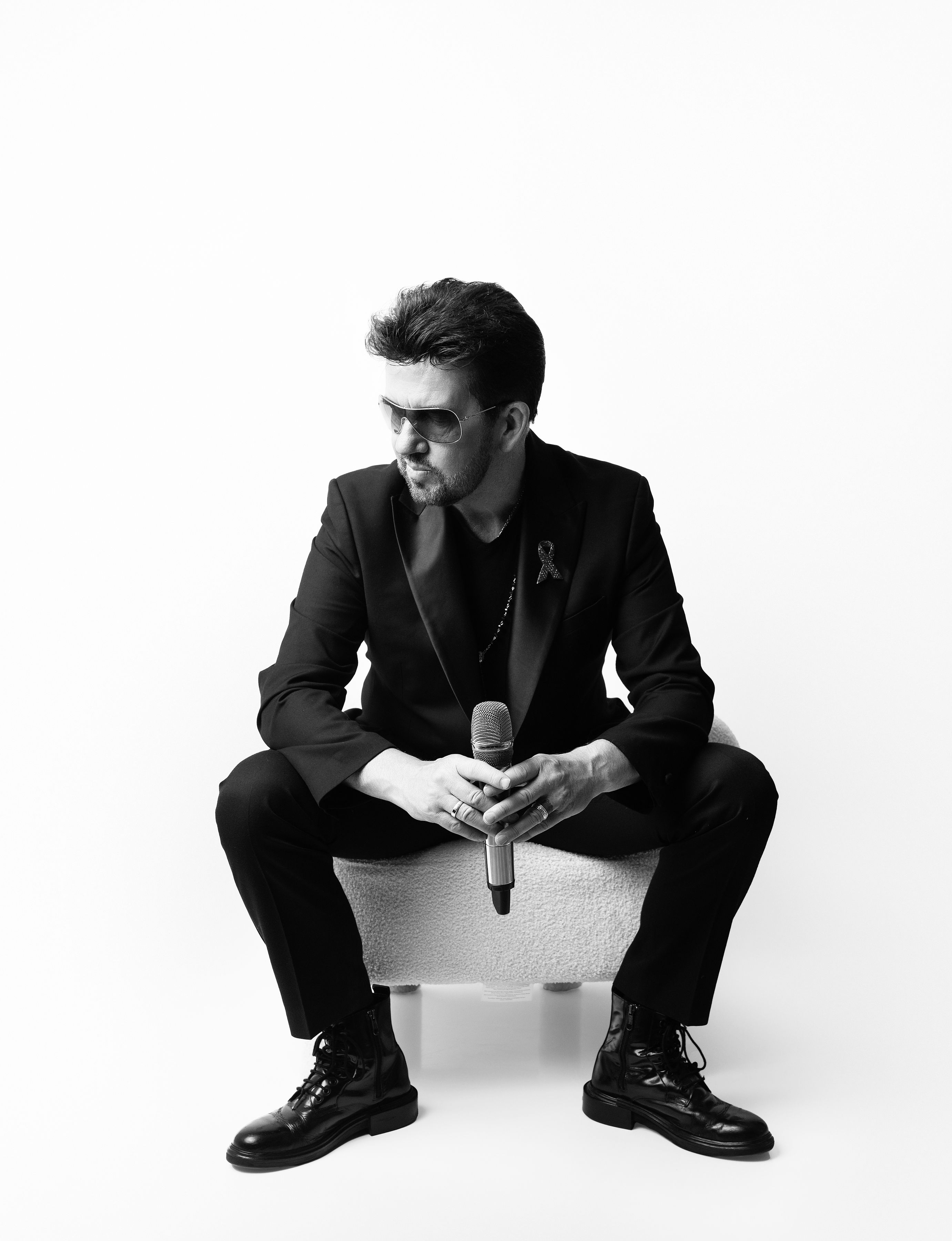
Was George Michael a Tenor?
Yes, George Michael was a tenor – one of the most gifted tenors in pop music history. His voice type is classified as a lyric tenor, characterized by warmth, agility, and the ability to convey deep emotion. What set George apart was his incredible three-octave range spanning from F2 to C6, allowing him to move effortlessly from rich, low notes to soaring falsetto.
Unlike many pop tenors who rely heavily on their upper register, George Michael had exceptional control across his entire range. His chest voice was full and resonant, his middle voice smooth and connected, and his falsetto – perhaps his most recognizable feature – was crystal clear and emotionally evocative.
Vocal Range
F2 - C6
Approximately 3 octaves
Voice Type
Tenor
Lyric tenor classification
Signature
Falsetto
Emotionally evocative
How Did George Michael Develop His Unique Vocal Style?
George Michael's vocal style wasn't born overnight – it was crafted through years of dedication, influenced by the greatest soul artists of his time.
Soul & R&B Influences
George grew up listening to Aretha Franklin, Stevie Wonder, and Marvin Gaye. Their influence is evident in his use of melisma, his emotional phrasing, and his ability to make every note mean something.
- • Aretha Franklin – emotional power and gospel influence
- • Stevie Wonder – melodic creativity and falsetto technique
- • Elton John – theatrical delivery and dynamic range
Self-Taught Mastery
Remarkably, George Michael was largely self-taught. He developed his technique through:
- • Constant practice and experimentation
- • Recording himself and analyzing playback
- • Learning songs by ear from vinyl records
- • Performing live from a young age
- • Pushing his vocal boundaries in the studio
Frequently Asked Questions About George Michael's Voice
What was George Michael's vocal range?
George Michael had an impressive vocal range spanning approximately three octaves, from F2 to C6. His comfortable range sat in the tenor register, but he could effortlessly move into falsetto for his signature emotional moments, as heard in songs like "Careless Whisper" and "One More Try."
What made George Michael's voice so distinctive?
Several elements made George's voice unique: his warm tenor tone with natural vibrato, his masterful control of dynamics (from whisper-soft to powerful belts), his seamless transitions between chest voice and falsetto, and his soul-influenced phrasing. He also had an incredible ability to convey emotion through subtle vocal inflections that made every performance feel deeply personal.
What voice type was George Michael?
George Michael was a lyric tenor, one of the higher male voice types. His voice combined the warmth and richness typical of a lyric tenor with the power to belt when needed. This versatility allowed him to perform everything from soulful ballads like "A Different Corner" to dance anthems like "Faith" and "Freedom! '90."
What is the vocal range of Careless Whisper?
Careless Whisper requires a vocal range from D3 to A4, sitting comfortably within a tenor range. George Michael performed it in the key of D minor, using his warm chest voice throughout the verses and reaching into his upper register for the emotional chorus. The song showcases his ability to convey deep emotion within a relatively accessible range, which is partly why it remains one of the most covered songs of all time.
How many octaves could George Michael sing?
George Michael could sing across approximately three octaves, from F2 to C6. His usable range in live performance was about 2.5 octaves, but in the studio he demonstrated the full three-octave span. This placed him among the most versatile male vocalists in pop history, alongside artists like Freddie Mercury and Stevie Wonder.
Was George Michael a baritone?
No, George Michael was not a baritone. He was classified as a lyric tenor, though his voice had an unusual warmth in the lower register that sometimes led to confusion. His comfortable singing range, tessitura, and the natural placement of his voice were all consistent with a tenor classification. The richness of his lower notes simply reflected the exceptional quality of his instrument.
How did George Michael learn to sing?
George Michael was largely self-taught. He learned by listening to and imitating records by soul artists like Aretha Franklin, Stevie Wonder, and Marvin Gaye. He practised relentlessly from a young age, developing his technique through trial and experimentation rather than formal vocal training. He began performing with Andrew Ridgeley as Wham! in his late teens, honing his craft through thousands of live performances.
Did George Michael have perfect pitch?
While never formally confirmed, many musicians and producers who worked with George Michael noted his exceptional pitch accuracy. He rarely needed multiple takes in the studio for pitch reasons, and his live performances were remarkably consistent. Whether this constitutes true perfect pitch or highly developed relative pitch, his intonation was extraordinary and set him apart from many of his contemporaries.
Experience George's Voice Live
Steve Mitchell has dedicated years to mastering George Michael's vocal techniques. See the UK's most authentic tribute and hear the voice that defined a generation.